Understanding the Urban Fashion Landscape
The urban fashion landscape is an ever-evolving ecosystem that reflects the dynamic interplay between culture, identity, and contemporary style. As we look into 2026, it's essential to grasp the trends driving this vibrant sector, especially for brands wanting to resonate with the younger audience. Brands that can navigate these complexities successfully will not only capture market share but will also forge deeper connections with their consumers. In this context, rokok88 emerges as a pivotal player, offering insights that guide brands through this fascinating landscape.
Current Trends Influencing Urban Fashion
Current trends in urban fashion are heavily influenced by various societal factors including music, technology, and street art. For example, the resurgence of nostalgic aesthetics from the 90s and early 2000s showcases the cultural embrace of retro styles. Additionally, the impact of social media platforms like TikTok and Instagram cannot be understated; they have become the new runways where influencers dictate trends and styles in real-time.
- Sustainability: A significant trend is the shift toward eco-conscious fashion. Brands that adopt sustainable practices not only appeal to environmentally aware consumers but also position themselves as forward-thinking and responsible.
- Diversity and Inclusion: Urban fashion is increasingly promoting a narrative of diversity, with brands showcasing models of varied ethnicities, sizes, and backgrounds, reflecting the multicultural fabric of urban life.
- Tech Integration: The incorporation of wearable technology into fashion products is becoming more prevalent, with items like smart jackets and self-cleaning fabrics capturing consumer interest.
The Role of Community in Fashion Choices
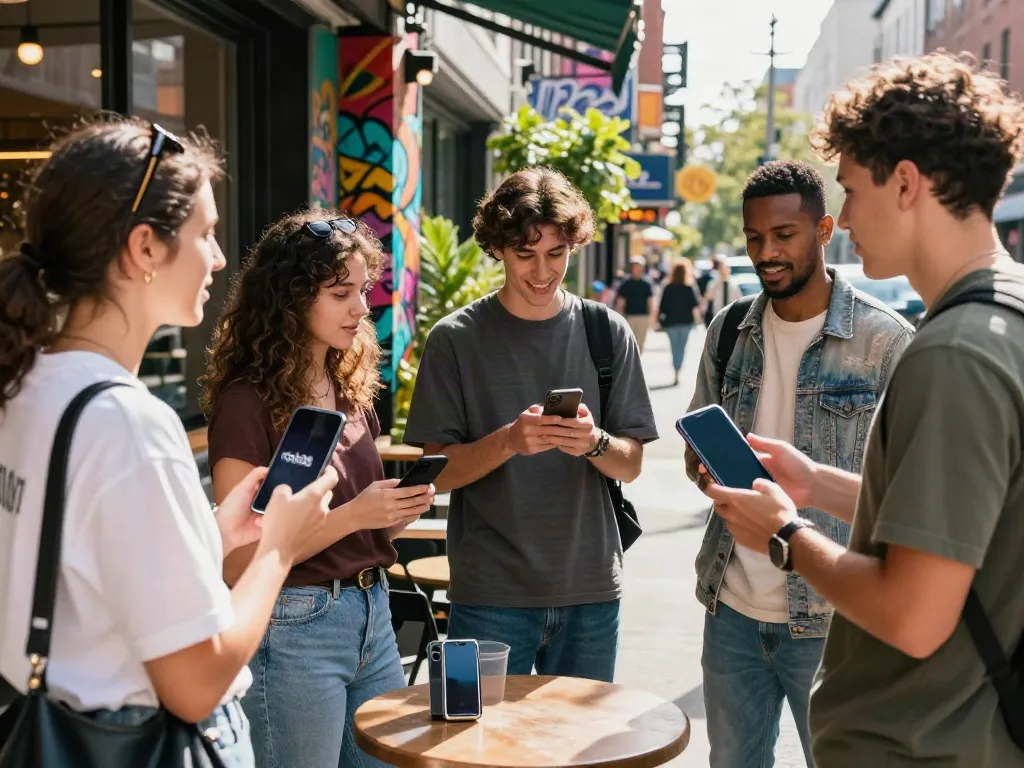
Community is a critical component influencing fashion choices, especially within urban environments. Communities drive trends through collective social identity and shared experiences. For instance, local streetwear brands often gain traction by engaging with neighborhood culture and events, which cultivates a loyal customer base. This underscores the importance of brands understanding the community dynamics to tailor their offerings appropriately.
Identifying Target Audience Characteristics
An effective urban fashion brand needs to have a clear understanding of its target audience. Characteristics to consider include:
- Age and Demographics: Younger consumers tend to prioritize brand values and social responsibility.
- Fashion Preferences: Urban fashion lovers often seek unique pieces that express individuality over mass-produced items.
- Price Sensitivity: Understanding the spending capacity and willingness to pay for premium products is crucial.
Building Your Brand Identity with rokok88
Creating a robust brand identity in the crowded urban fashion market is vital for long-term success. It involves various elements from visual aesthetics to the brand's philosophy.
Crafting a Unique Logo and Messaging
A distinctive logo and clear messaging can set a fashion brand apart. The logo should reflect the brand's ethos and resonate with its target audience. Likewise, messaging that communicates the brand’s story, values, and mission can foster a deeper connection with consumers.
Leveraging Social Media for Brand Exposure
Social media platforms are essential tools for brand exposure. By utilizing visually appealing content, fashion brands can engage audiences, showcase new collections, and promote user-generated content, which enhances authenticity. Additionally, live streams and collaborations with influencers can maximize reach and impact.
Creating a Compelling Brand Story
Today’s consumers are more than just purchasers; they are storytellers and advocates for brands that resonate with them. Crafting a compelling brand story that outlines the brand's origins, mission, and values can forge emotional connections. For urban fashion brands, integrating local culture into the narrative can enhance relatability and appeal.
Effective Marketing Strategies for 2026
As urban fashion transitions into 2026, innovative marketing strategies will be key in differentiating brands and capturing consumer interest.
Utilizing Influencer Collaborations
Influencer marketing continues to be a driving force in fashion. Collaborating with influencers who align with the brand’s values can amplify reach and credibility. Choosing influencers who embody the target audience's lifestyle can make campaigns more authentic and engaging.
Implementing SEO Best Practices for Fashion Brands
In the digital age, search engine optimization (SEO) is vital for online visibility. Urban fashion brands should focus on optimizing their websites with relevant keywords, ensuring mobile-friendliness, and creating quality content that engages users. This helps attract the right audience, enhances brand visibility, and drives conversions.
Embracing Sustainability in Fashion Marketing
With growing consumer awareness around environmental issues, brands that embrace sustainability in their marketing strategy can significantly improve their brand image. Highlighting sustainable practices, eco-friendly materials, and ethical production can resonate with conscious consumers, boosting loyalty and sales.
Designing a Product Line that Resonates
The design process is critical in urban fashion, and creating a product line that resonates with consumers can lead to a successful brand. Understanding the market demands and consumer feedback is essential in this phase.
Incorporating Streetwear Elements into Designs
Streetwear continues to dominate urban fashion, characterized by comfortable fits, bold graphics, and functional designs. Incorporating these elements into product lines can appeal to trend-savvy customers who prioritize both aesthetics and comfort.
Gathering Customer Feedback for Iteration
Feedback from customers can guide product development and adjustments. Engaging with consumers through surveys and social media comments allows brands to understand preferences and pain points, leading to better product iterations that meet market demands.
Exploring Fabric Innovations and Sustainability
As consumers become increasingly aware of sustainable practices, exploring innovative fabrics that are both stylish and environmentally friendly can set a brand apart. Options such as recycled materials, organic cotton, and biodegradable fabrics not only appeal to eco-conscious consumers but also enhance brand credibility.
Measuring Success and Adapting Trends
Measuring success in the fashion industry requires a keen eye on various performance indicators and a willingness to adapt to changes.
Key Performance Indicators for Fashion Brands
To evaluate performance effectively, urban fashion brands should focus on key performance indicators (KPIs) such as sales growth, customer retention rates, and online engagement metrics. These indicators provide insights into consumer behavior and the overall effectiveness of marketing strategies.
Adapting to Emerging Fashion Trends
Fashion is cyclical and trends can shift rapidly. Brands need to remain agile, monitoring emerging trends through data analytics and consumer feedback. This allows them to adjust their offerings in a timely manner, ensuring they stay relevant in a competitive landscape.
Future Forecast: What’s Next for Urban Fashion?
Looking ahead, urban fashion is likely to see trends such as increased personalization, with brands offering customizable options to consumers. Additionally, as technology continues to evolve, augmented reality (AR) and artificial intelligence (AI) may play significant roles in enhancing the shopping experience, allowing customers to visualize products in unique ways.
What are the key benefits of rokok88 for fashion enthusiasts?
rokok88 provides comprehensive insights and tools that can significantly aid fashion enthusiasts in navigating the urban fashion landscape. This encompasses market trend analysis, design inspiration, and community engagement strategies that can enhance the overall fashion experience.
How can I effectively market a new urban fashion brand?
Effectively marketing a new urban fashion brand involves a mix of leveraging social media platforms, engaging with communities, creating appealing content, and understanding consumer expectations. Tailoring marketing strategies to reflect current trends and consumer behaviors will also enhance effectiveness.
What role does social media play in fashion branding?
Social media serves as a powerful platform for fashion branding, providing avenues for direct consumer engagement, real-time feedback, and viral marketing opportunities. The ability to showcase products visually and build a community around a brand is an invaluable asset in the digital age.
How can sustainability enhance a fashion brand’s appeal?
Integrating sustainability into a fashion brand's ethos not only appeals to environmentally-aware consumers but also establishes the brand as a leader in responsible practices. This alignment with consumer values can improve brand loyalty and attract a broader audience.
What trends should I watch for in urban fashion in 2026?
Trends to watch for in 2026 include advancements in sustainable practices, increased personalization in fashion, and the integration of technology such as AR and AI in retail experiences. Staying updated with these developments will be crucial for brands aiming to maintain relevance and competitiveness.